
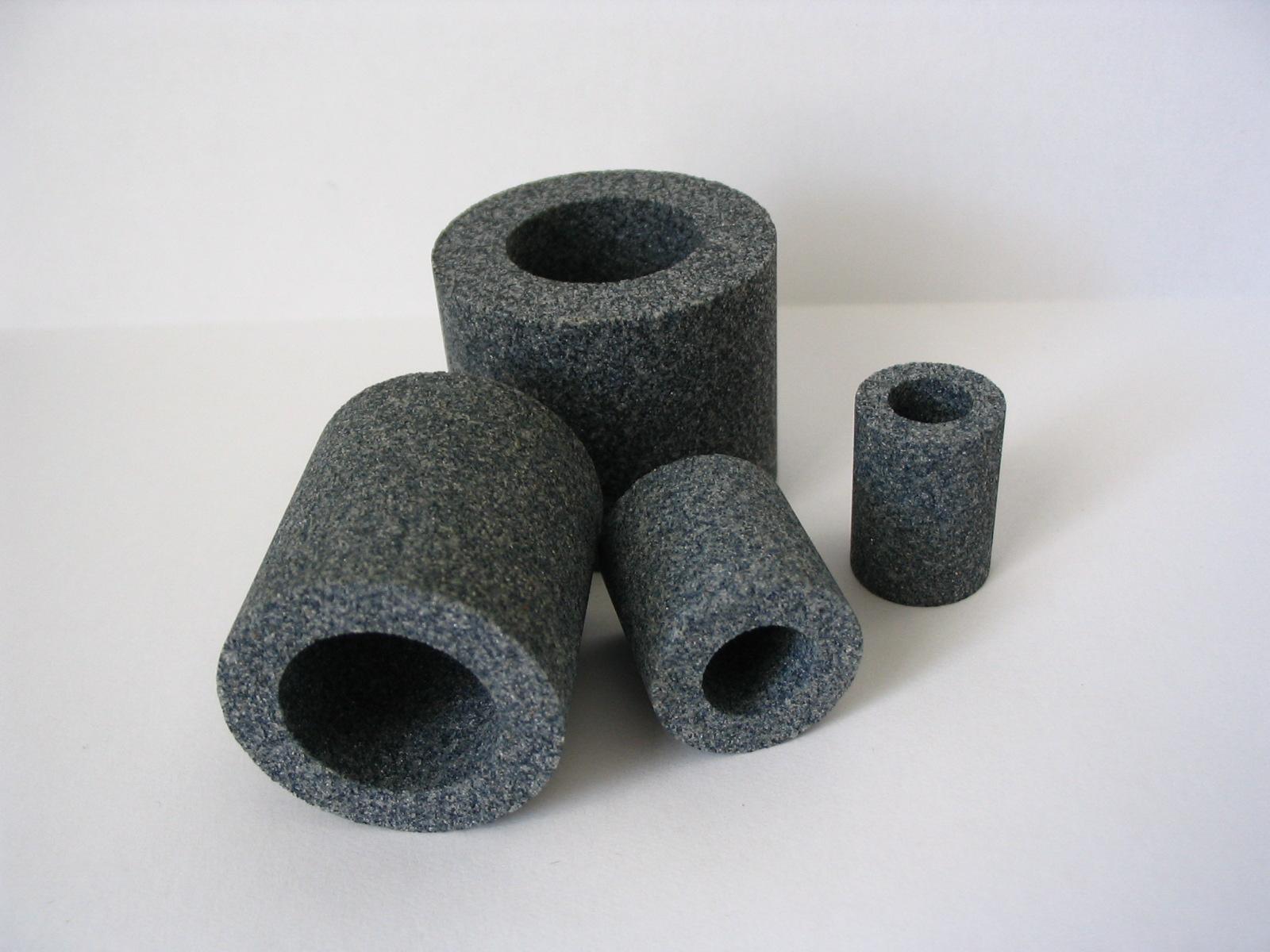
Selection guide
How to choose grinding wheels by machine, material and application
Grinding wheels should be selected from the machine, material and removal target first. Wheel diameter, thickness, bore, bond and marked speed must be confirmed before supply and use.
Selection factors
What buyers should confirm before quotation
Machine type
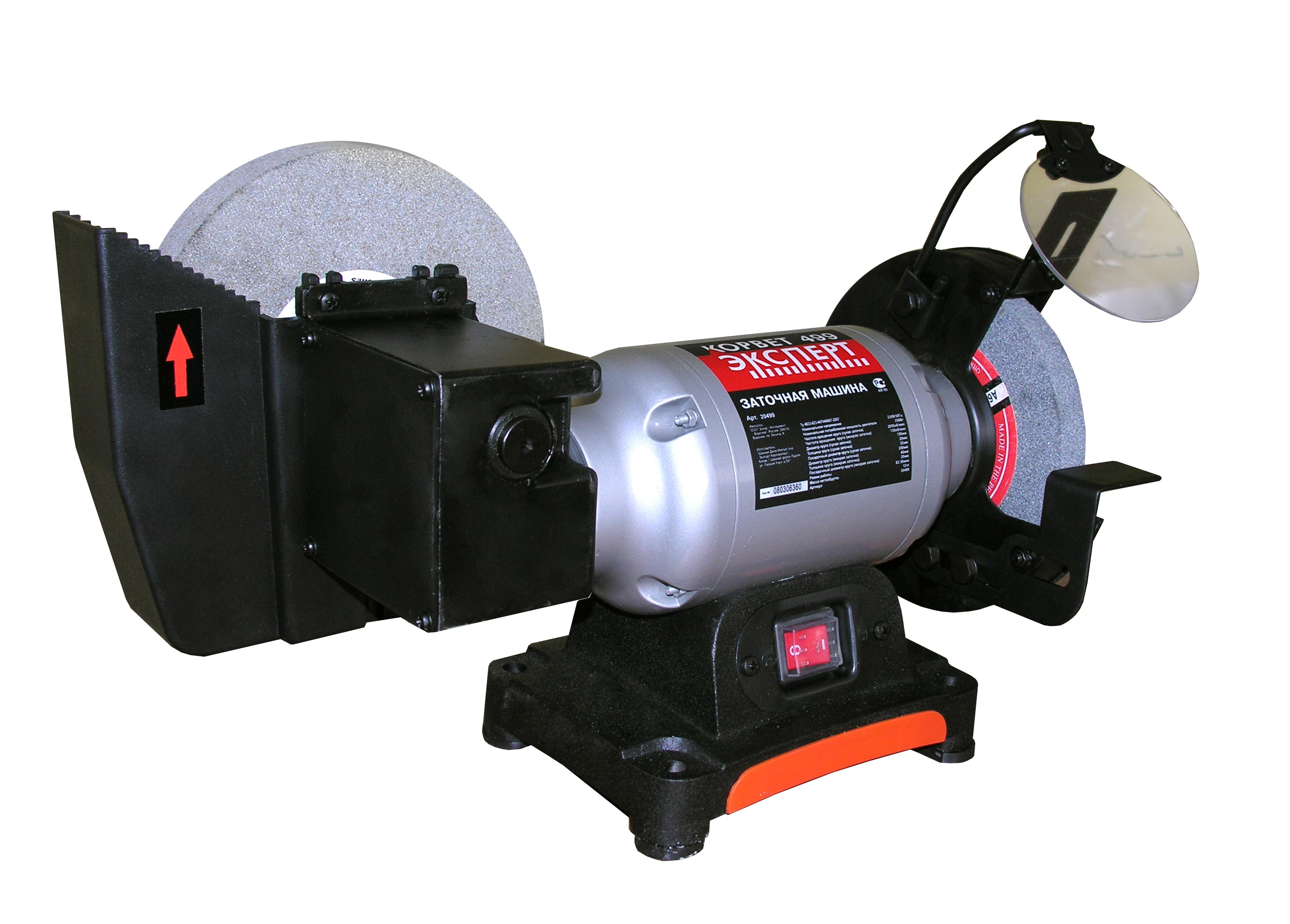
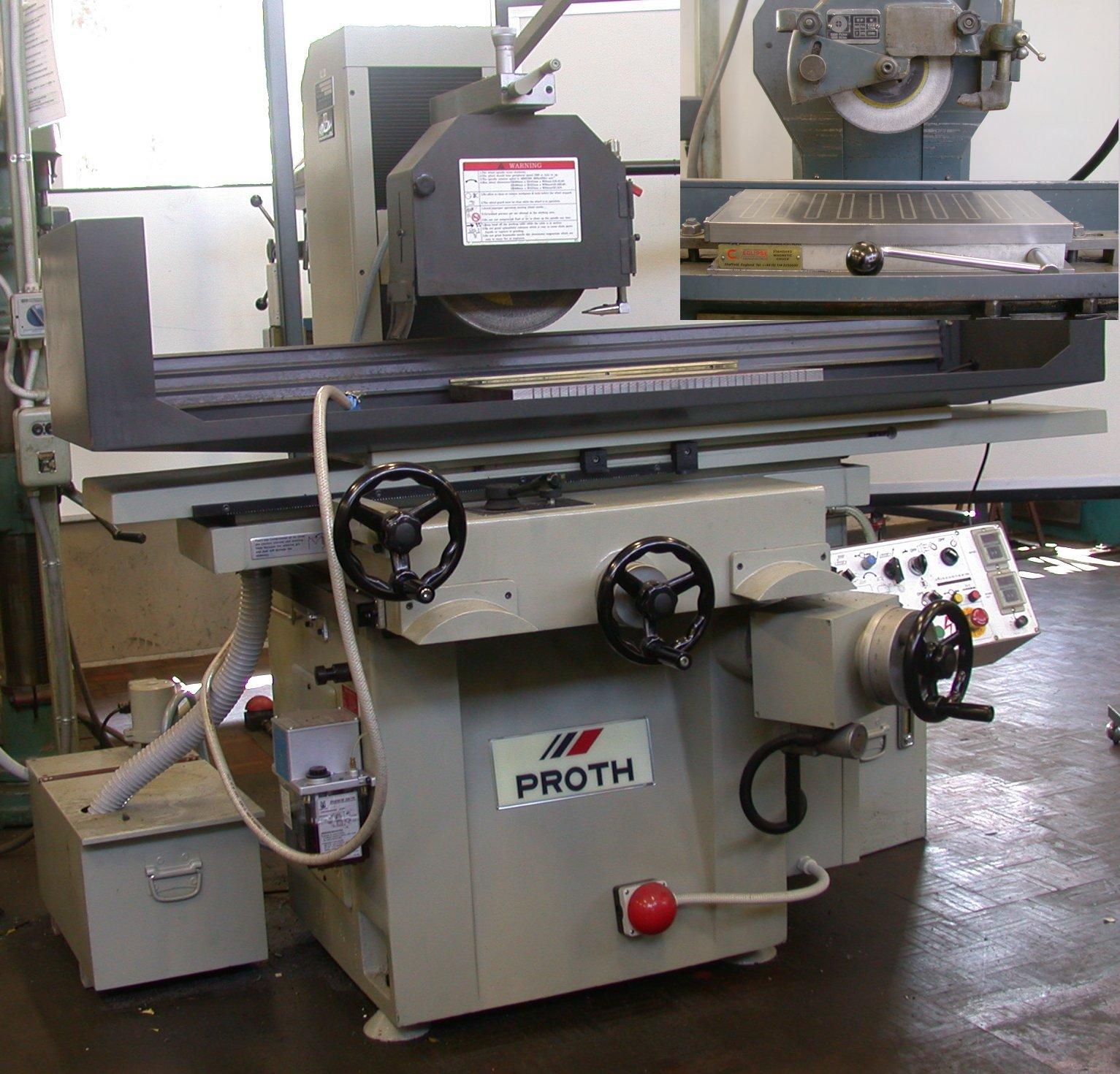
Bench, pedestal, surface, cylindrical, internal, cup and cut-off applications need different wheel shapes, bore sizes and operating checks.
Wheel size and bore
Diameter, thickness and bore must match the machine spindle, flanges, guard and application. Do not treat catalog size as a safety approval.
Abrasive and material
Aluminum Oxide is commonly discussed for ferrous grinding, while Silicon Carbide can suit selected non-ferrous or hard brittle materials.
Grit and grade
Grit affects removal and finish, while grade influences wheel behavior under load. These are confirmed against material and grinding pressure.
Bond and structure
Bond selection depends on speed, heat, coolant, contact area and whether the job needs cutting, sharpening, surface grinding or internal work.
Safe-speed confirmation
Always confirm the supplied product marking, maximum RPM, machine guard, flanges and operating condition before mounting a grinding wheel.
Application fit
Common uses covered by this guide
Use the guide as a starting point, then confirm final abrasive specification against the material, machine RPM, finish target and quantity requirement.
Bench and pedestal grinding
Surface grinding
Cylindrical grinding
Internal grinding
Tool sharpening support
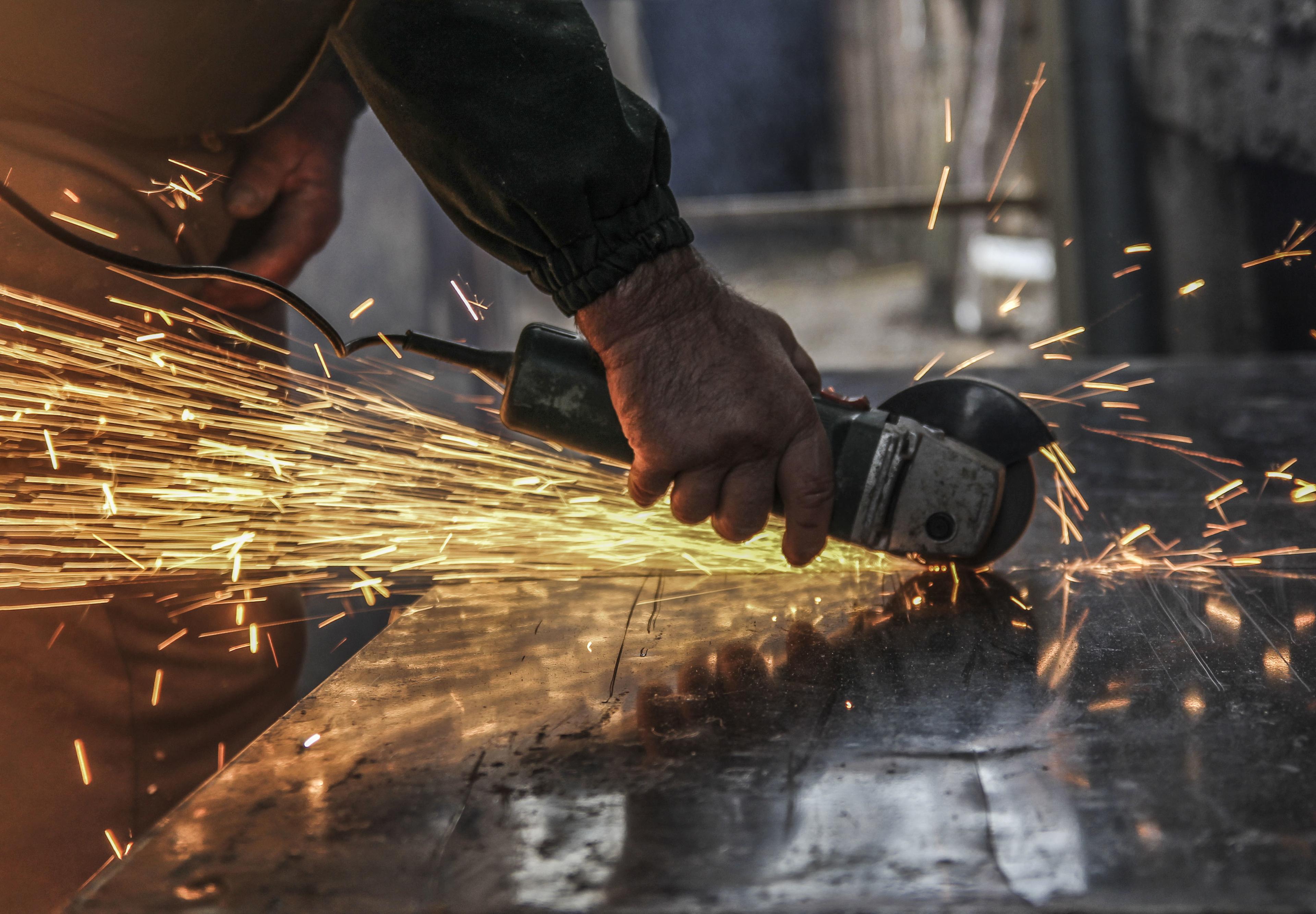
Cut-off and fabrication work
Product references
Start with these catalogue references
RFQ checklist
Include these details for faster selection
- Wheel diameter, thickness and bore
- Machine type and RPM
- Work material and grinding operation
- Abrasive grain, grit, grade and bond if known
- Quantity and dispatch/packing requirement